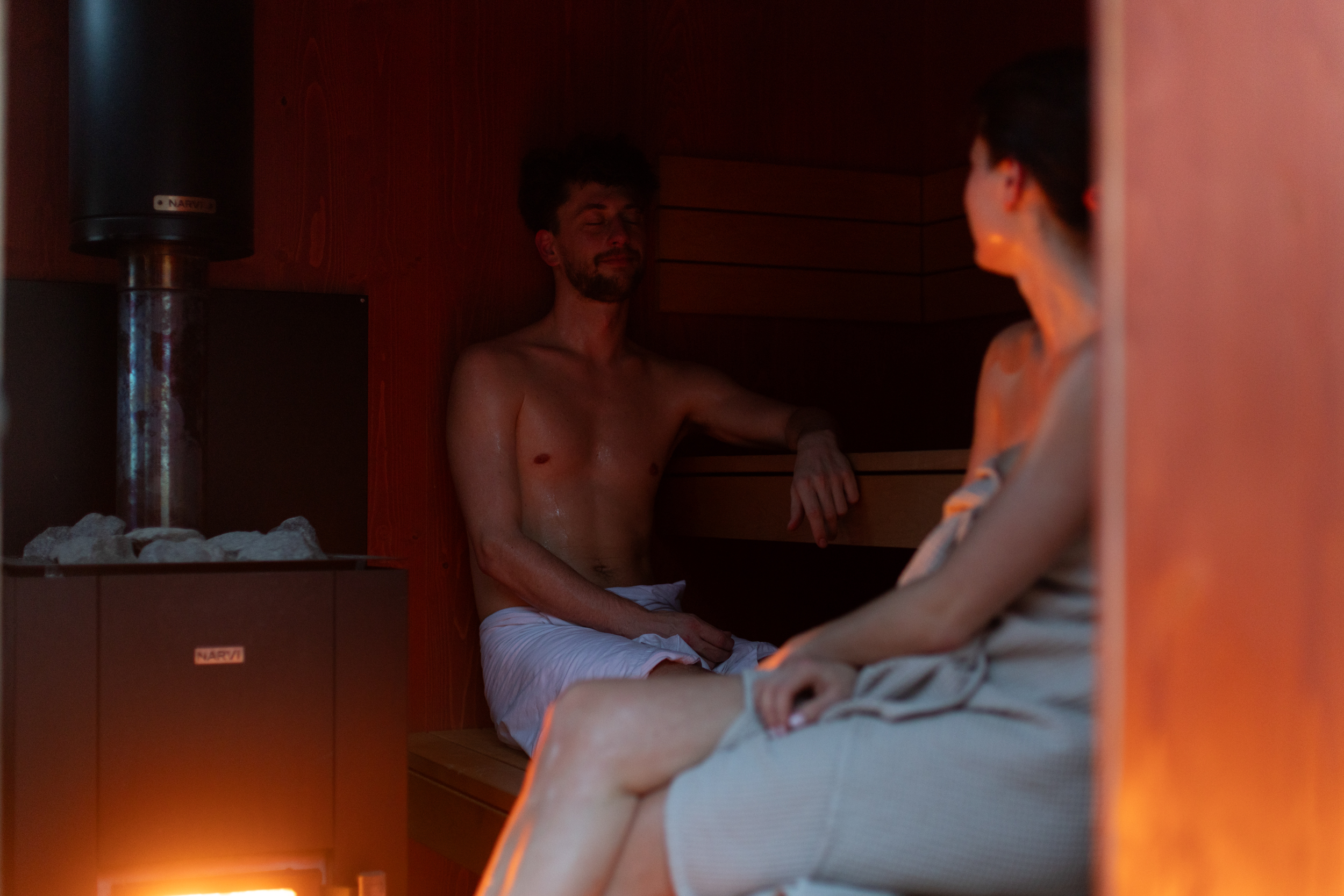
The benefits of sauna bathing can be divided into health and social benefits. The health benefits are supported by long-term research, mainly from Finland. Although most studies have focused on men, the findings paint a clear picture: regular, short periods of heat exposure act as a safe hormetic stressor, helping the body become more resilient.

In Finland, sauna bathing is part of everyday life. With a population of 5.6 million, the country has around 3.5 million saunas. The tradition also brings people together, with families and communities gathering in the sauna. It offers a space to recover, unwind and build relationships, which are themselves an important factor in longevity. This way of spending time together is gradually gaining ground in Czechia too, where more people are choosing the sauna as an alternative to meeting at the pub.
Sauna bathing works by raising your body temperature by around one degree Celsius. In response, your heart rate increases, your blood vessels widen and your body activates processes that help it adapt. One of the most important is the activation of heat shock proteins (HSPs). These molecules protect cells from damage, help repair damaged proteins and improve their resistance to stress. Another benefit is a change in the balance of cytokines, the substances that regulate immunity and inflammation. Sauna bathing increases levels of anti-inflammatory cytokines in particular. These help counter low-grade chronic inflammation, one of the factors involved in ageing. A third major benefit is better sleep. As your body temperature gradually falls after a sauna session, it signals that it is time to relax. People who use a sauna in the evening often find that they fall asleep more quickly, wake up less during the night and spend longer in deep sleep. All of this matters for longevity.

The key is regular exposure to high temperatures for short periods of time. Studies have examined sauna use at temperatures between 80 and 100 °C. Their findings show that people who use a sauna four to seven times a week have around a 50 per cent lower risk of dying from cardiovascular disease. For those who go two to three times a week, the reduction is 22 per cent. The findings also suggest a substantial effect on neurodegenerative diseases: regular sauna use may be associated with a reduction in the risk of Alzheimer’s disease of up to 65 per cent, and dementia of up to 66 per cent. The underlying mechanism is likely similar: better circulation, more flexible blood vessels and a body that is better able to cope with physiological stress.
Sauna bathing also fits naturally into an exercise routine. The body responds to exercise and sauna bathing in similar ways: heart rate rises to 100–150 beats per minute, oxygen reaches the tissues more quickly, blood flow to the skin increases and metabolism speeds up. Combining exercise with sauna bathing may help improve VO₂ max over time, a measure of how effectively the body can use oxygen. The order matters, though: exercise first, then sauna. Using the sauna beforehand could make exercise less efficient and reduce performance because the body is already heated.
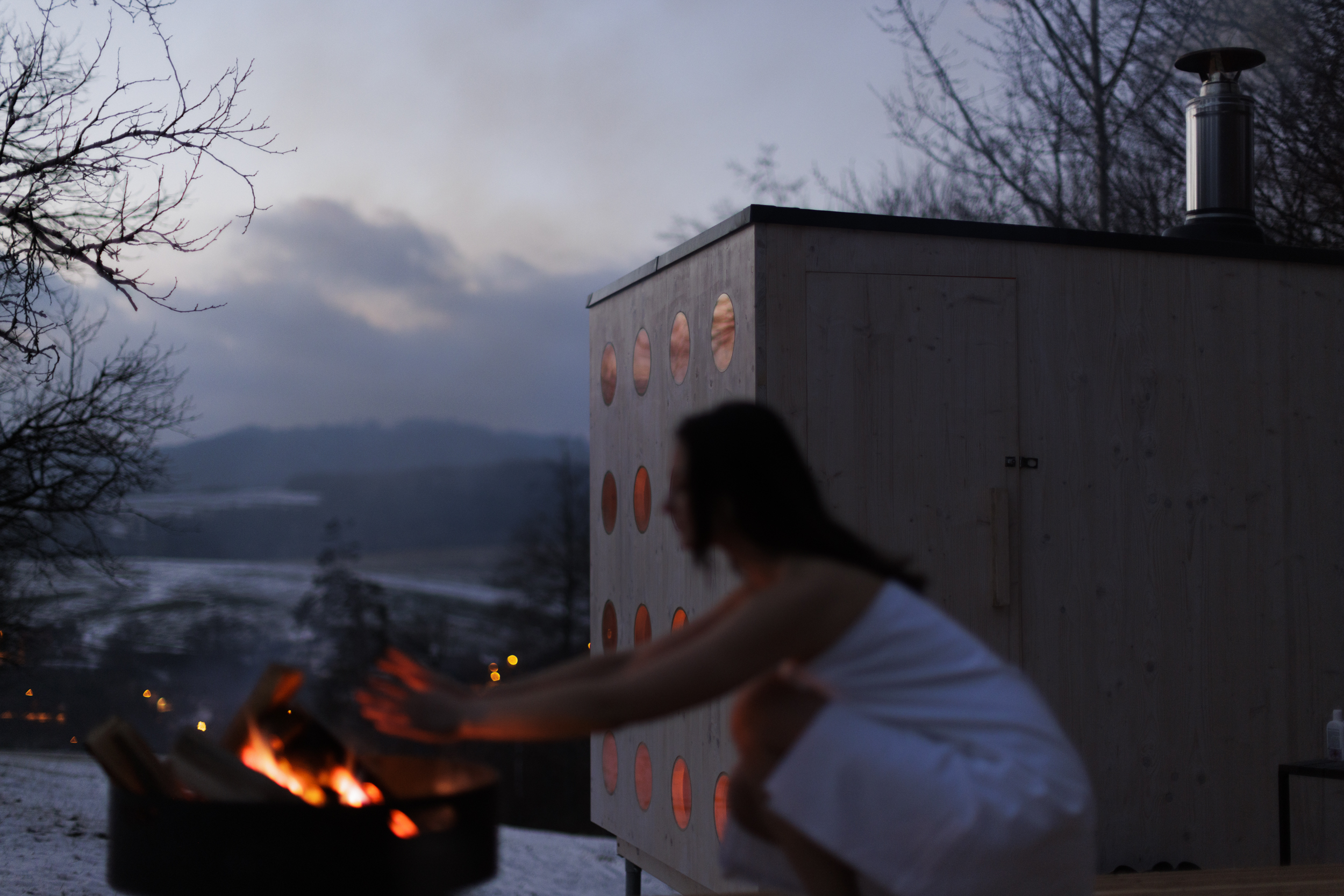
Cooling down afterwards is a natural part of the sauna ritual. Alternating between heat and cold is known as contrast therapy. While many studies have looked at sauna bathing and cold exposure separately, relatively few have explored their combined effects. What we do know is that contrast therapy may help muscles recover faster, support lymphatic circulation and improve the body’s tolerance to stress. In cold water, focus on slowing your breathing and making your exhalations longer. This helps lower your heart rate, ease feelings of panic and stress, and give you a greater sense of control over your body. Approach the whole process mindfully, and if you have a chronic health condition, consult your doctor before making it part of your routine.

Like many experts, we believe sauna bathing should not be about exact numbers and charts. Everyone tolerates heat differently, so it is important to notice how you feel throughout the process and gradually learn to manage your own stress response. Over time, you may naturally feel comfortable staying in the sauna a little longer and find it easier to quiet your mind. After warming up thoroughly and then cooling down, you may experience a distinctive feeling of light-headedness, described here as a gentle, deeply calming sensation. Your mind and body settle into a state of relaxation and recovery, leaving you floating somewhere between sleep and wakefulness. The original text attributes this feeling to a rush of oxygen and endorphins in the brain. It is that moment of complete release that captures the feeling of a perfect sauna cycle and a refreshed body.